In the stainless steel cookware market, 304 and 316 are the two most common food-grade materials. Many consumers struggle to decide which one is more suitable for daily use. This guide compares 304 and 316 stainless steel from multiple aspects to help you make a wise purchase.
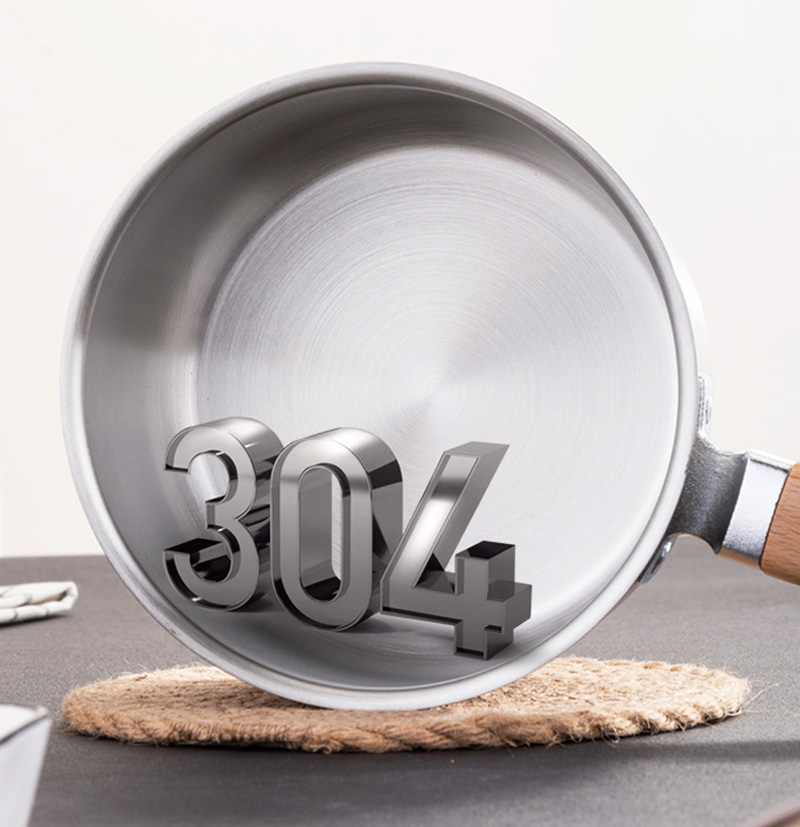
First, let’s look at their basic properties.
● 304 stainless steel is a universal food-grade material with good corrosion resistance and formability, widely used in daily cookware, tableware and kitchen supplies.
● 316 stainless steel is a higher-grade alloy with superior corrosion resistance and high-temperature performance, commonly applied in medical, chemical and high-end kitchen fields.
Corrosion resistance is a key standard for cookware quality.
● 304 stainless steel offers sufficient anti-rust and anti-corrosion ability for ordinary household use, resisting daily weak acid and alkali food ingredients.
● 316 stainless steel provides much better corrosion resistance. It stays stable even under high heat and strong acid or alkaline conditions, making it ideal for cooking salty, acidic or high-temperature food frequently.
High-temperature resistance is another vital factor.
● 304 stainless steel performs well under high heat and can withstand temperatures below 800°C.
● 316 stainless steel has outstanding high-temperature tolerance, maintaining structural stability better during intense cooking.
Besides material performance, user experience and cost also matter.
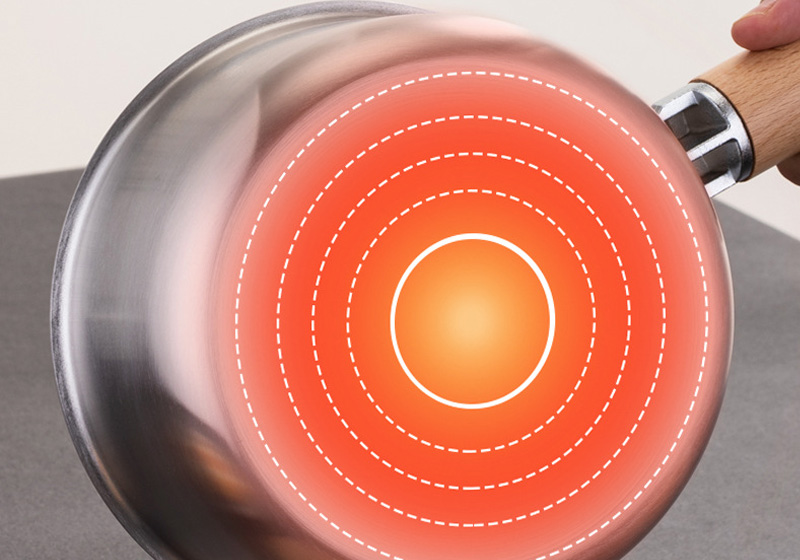
● 304 stainless steel cookware is budget-friendly with decent heat retention, keeping cooking temperature steady for daily meals.
● 316 stainless steel features better thermal conductivity for more even heating, bringing a smoother cooking experience.
In conclusion, both 304 and 316 stainless steel have their own pros and cons.
For ordinary families, 304 stainless steel cookware fully meets daily needs with reliable corrosion resistance, high-temperature tolerance, heat preservation and affordable price.
If you pursue higher performance, often cook acidic, salty or high-temperature food, or prefer premium cooking experience, 316 stainless steel cookware is the better option.
Apart from material grade, design, craftsmanship and brand also affect overall using experience. When buying cookware, consider your actual cooking needs and budget to pick reliable, well-designed products.
No matter 304 or 316 stainless steel pots, proper maintenance is essential. Avoid sharp tools scratching the surface and prolonged dry burning. Clean with soft sponges or cloths instead of hard brushes or strong acidic and alkaline detergents, to protect the pot surface and extend service life.
Ultimately, choosing between 304 and 316 depends on your daily needs and budget. With correct use and maintenance, both materials can serve you well and bring convenience and joy to your kitchen life.