The Manufacturing Process of Stainless Steel Cookware
The production of stainless steel cookware mainly consists of three stages: pot body forming, composite bottom processing, and surface treatment & assembly. Specific steps vary by product type, such as single-layer or multi-clad bottom pots.
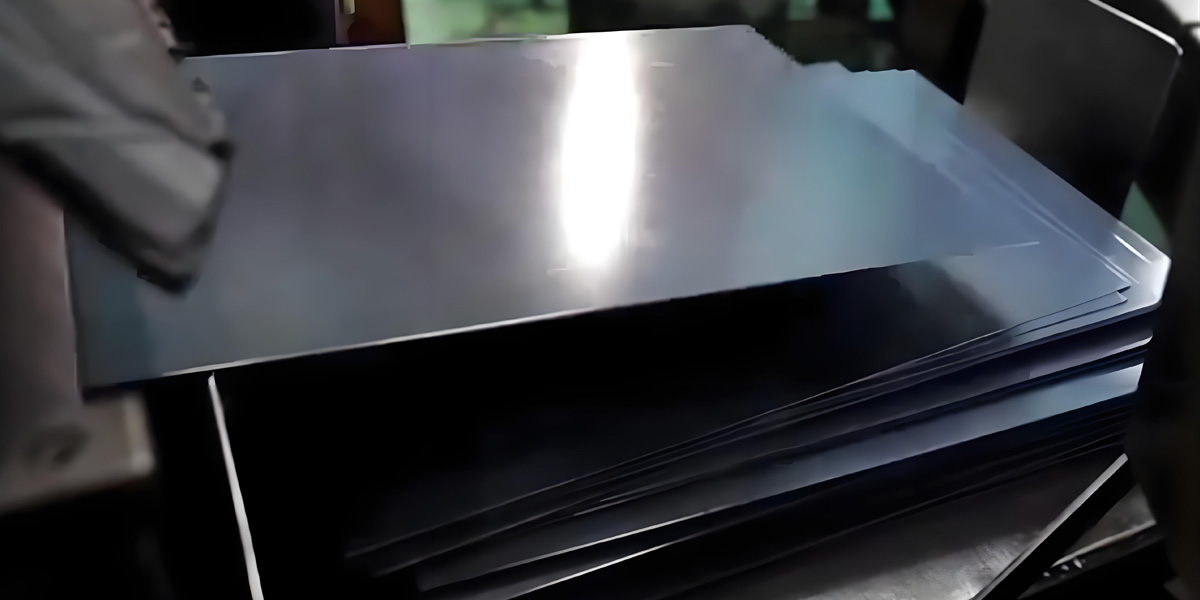
Raw Materials for Stainless Steel Wok
Below is the mainstream manufacturing process for stainless steel cookware, with a focus on clad-bottom stainless steel pots, the most popular choice for mid-to-high-end kitchenware.
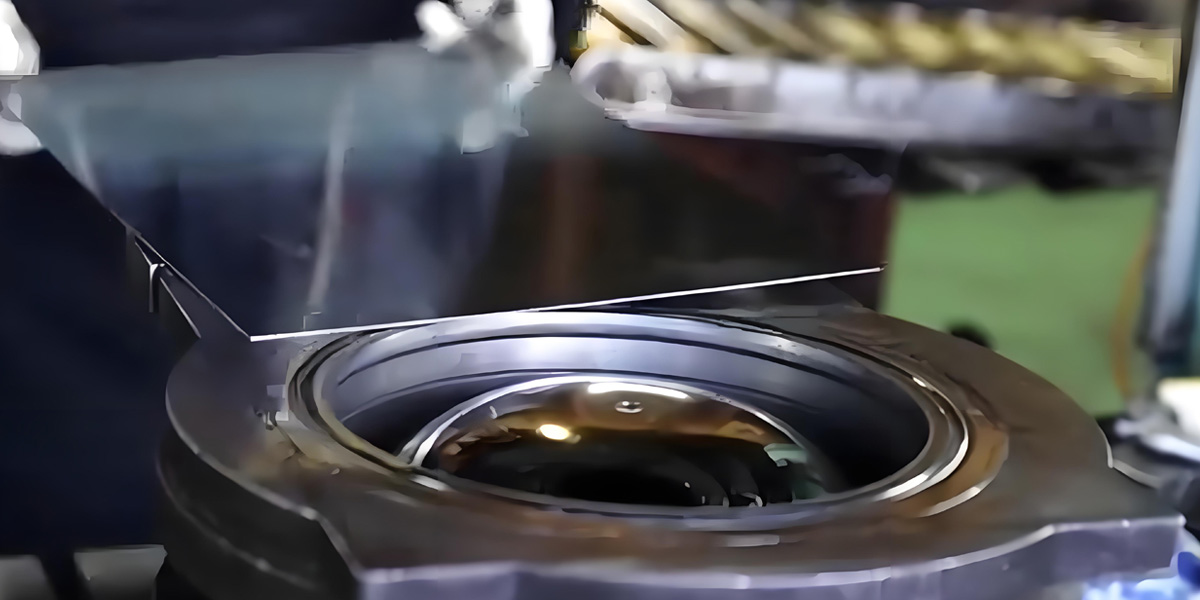
Stamping the Wok Body into Initial Shape
1. Pot Body Forming
This step shapes the stainless steel sheet into the basic pot structure and determines its strength.
● Material Preparation & Cutting
Food-grade stainless steel (mainly 304) is cut into round or square blanks using CNC laser or shearing machines according to design dimensions.
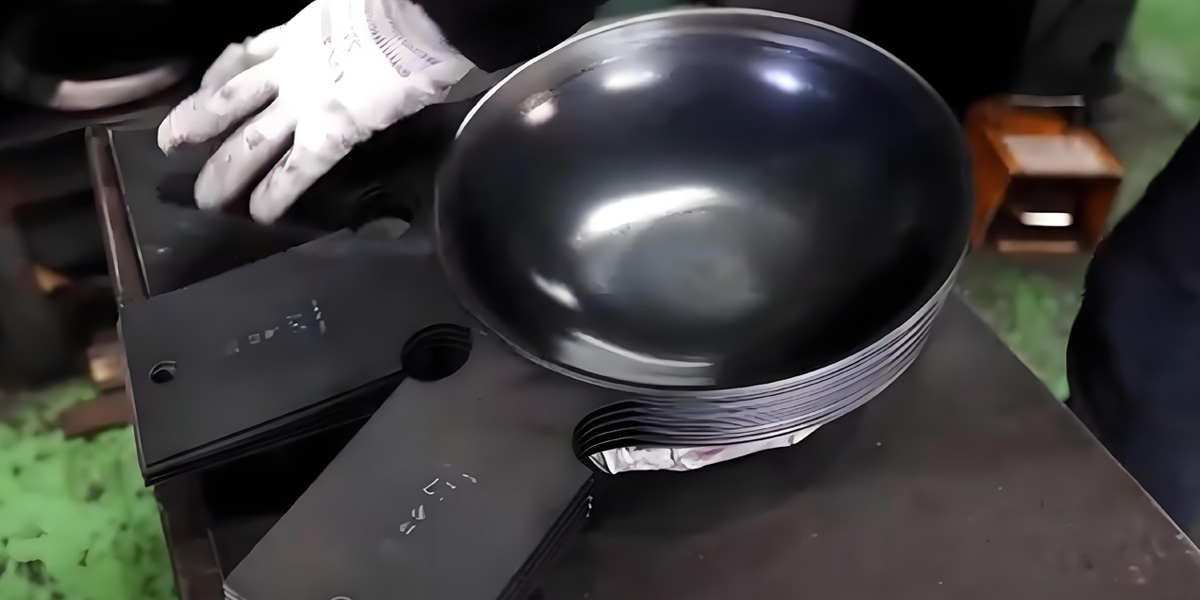
Riveting the Ear Handles
● Stretching & Forming
Cut blanks are placed in molds and stretched into a pot shape by a large stamping press, through one or more stages. Speed and pressure are precisely controlled to avoid cracking or uneven thickness.
Single-layer pots: proceed to edge curling and ring pressing after forming.
Clad-bottom & multi-ply pots: enter the more complex composite bonding process.
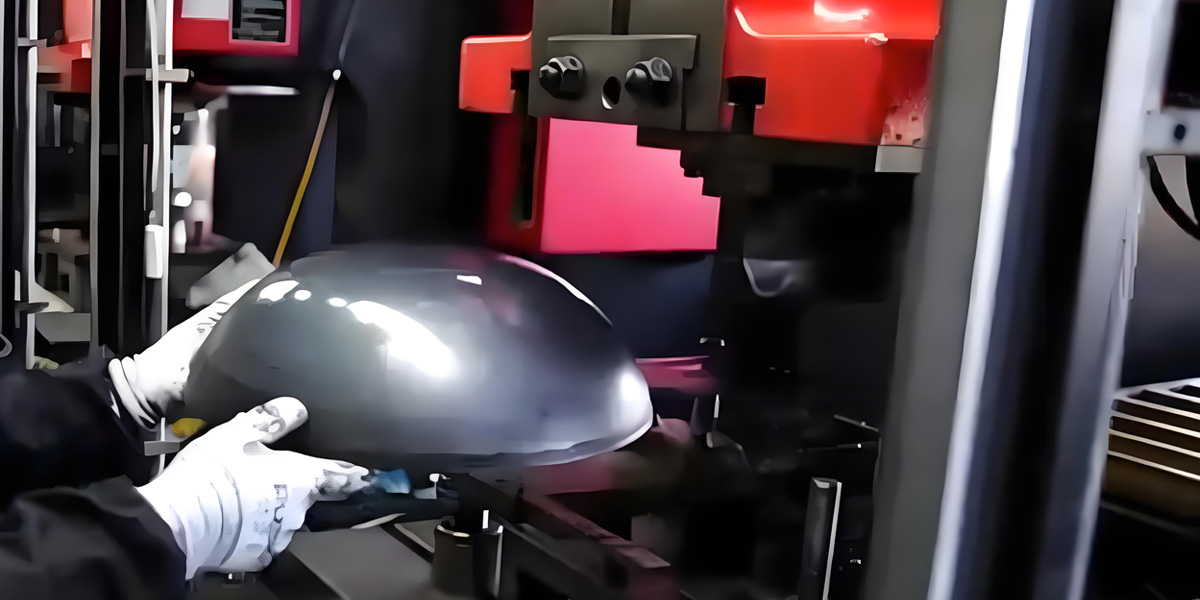
Riveting the Wok Base
2. Composite Bottom Processing
To improve thermal conductivity, high-quality stainless steel pots use a composite bottom structure. Two main processes are widely used:
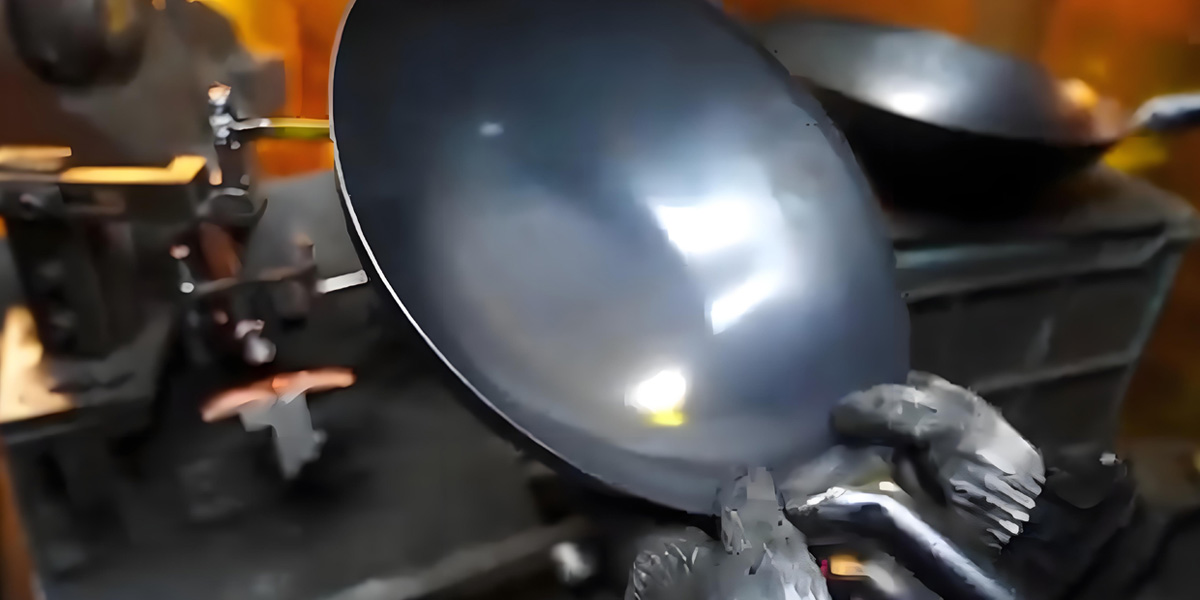
Securing the Ear Handles to Prevent Falling Off
Process A: Brazing Clad Bottom (External Bonding)
The most common method, adding a thermal conductive layer to the bottom of a formed single-layer pot.
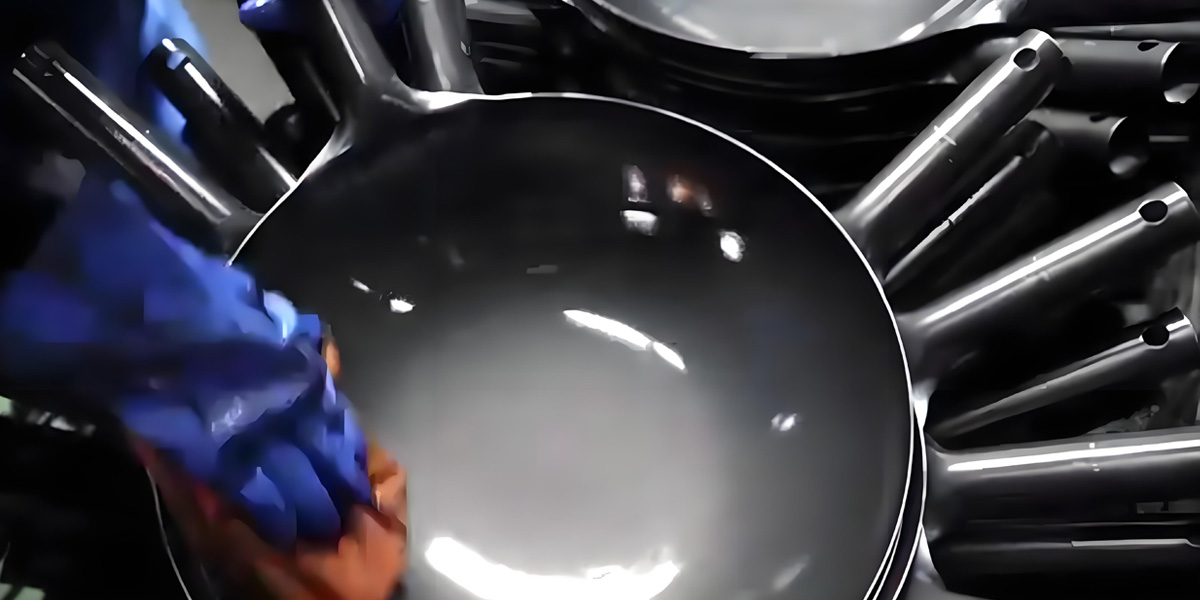
Wok Surface Treatment
1.Prepare layers: stainless steel body, aluminum core, and outer stainless steel or copper layer.
2.Position and spot-weld the three layers to align concentrically.
3.Heat the assembly to approximately 500°C to melt the brazing material.
4.High-pressure impact welding bonds the layers firmly into one piece.
5.Mechanical riveting enhancement: molten aluminum fills pre-punched holes, creating a dual “eutectic + mechanical” bond that prevents bottom separation even under extreme thermal shock.
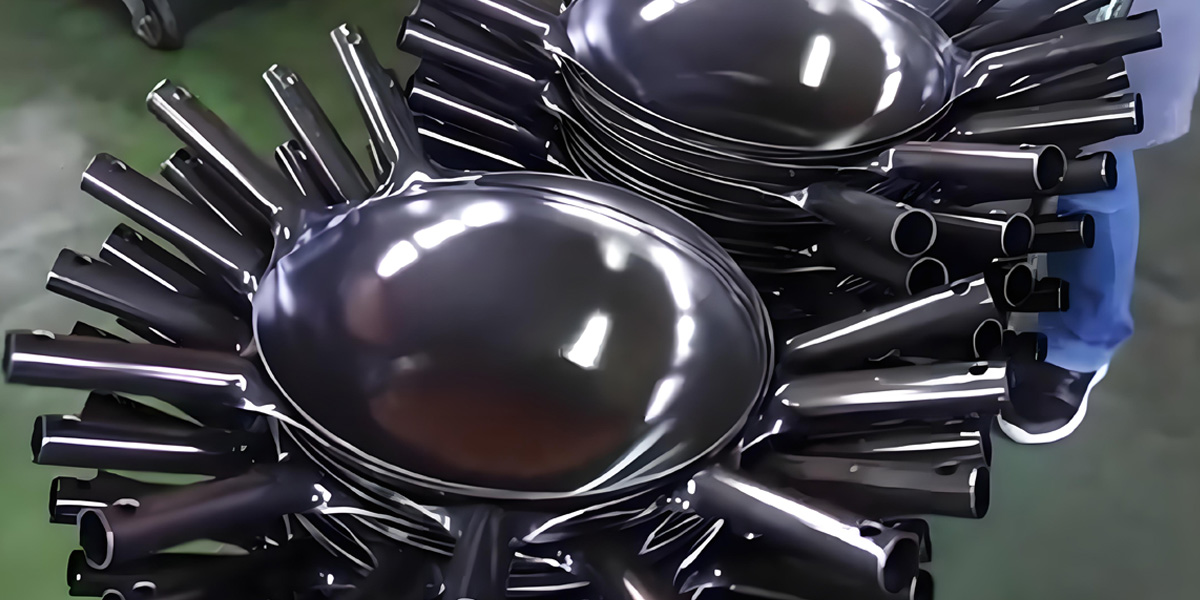
Non-Stick Coating Application
Process B: Forming from Pre-Made Multi-Ply Sheet
High-end cookware uses ready-made multi-layer sheets (3-ply: 304-Al-430; 5-ply: 304-Al-Cu-Al-430).
The sheet is stretched gradually with small deformation to avoid layer separation or cracking, often supported by spinning for final shaping.
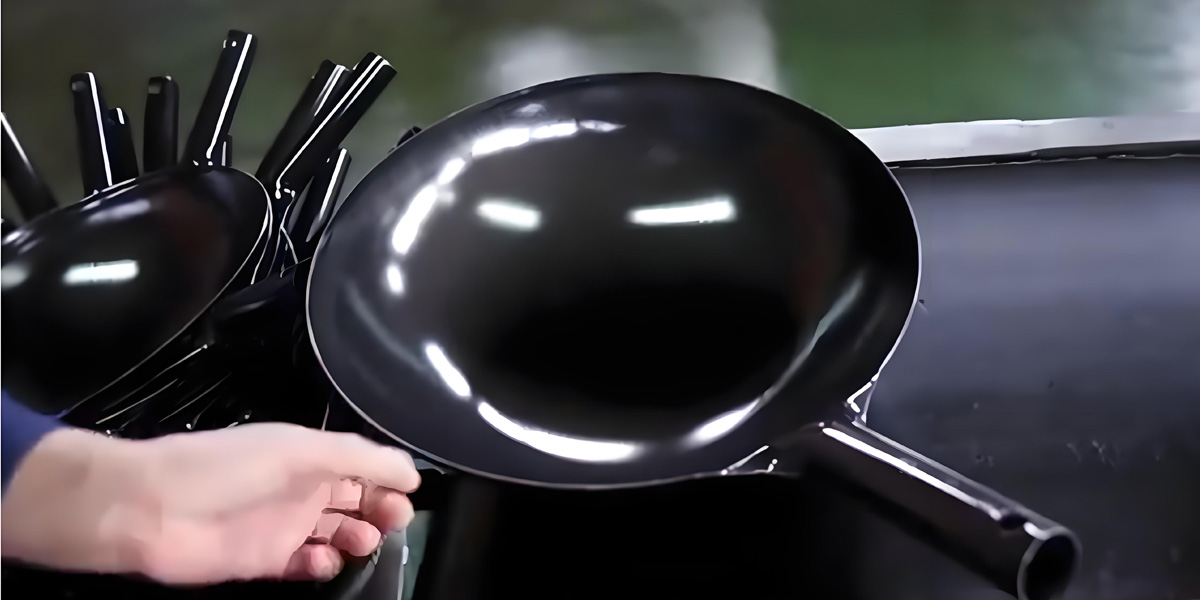
Quality Inspection of the Wok
3. Surface Treatment, Assembly & Quality Control
1.Surface Finishing: Polishing, brushing or sandblasting for appearance and clean welds.
2.Accessory Installation: Handles and ears are welded using argon arc welding.
3.Cleaning & Inspection: Pressure testing, leakage detection, and clad-bottom adhesion tests ensure safety and durability.
4.Packaging & Delivery: Finished products are packed and ready for shipment.
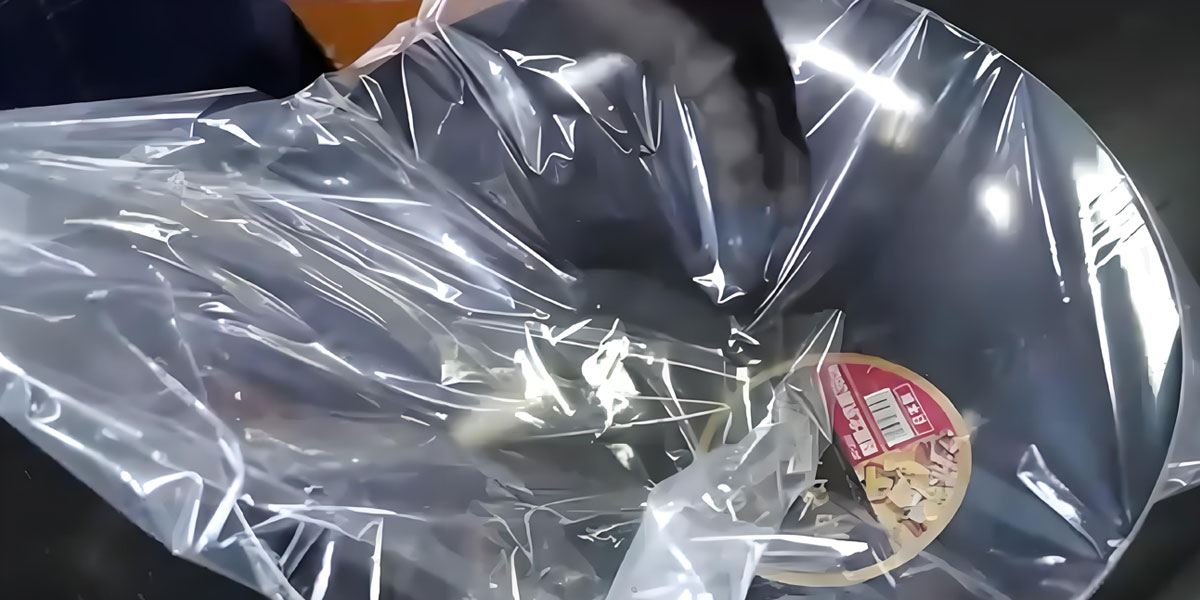
Wok Packaging