LED Drivers Explained
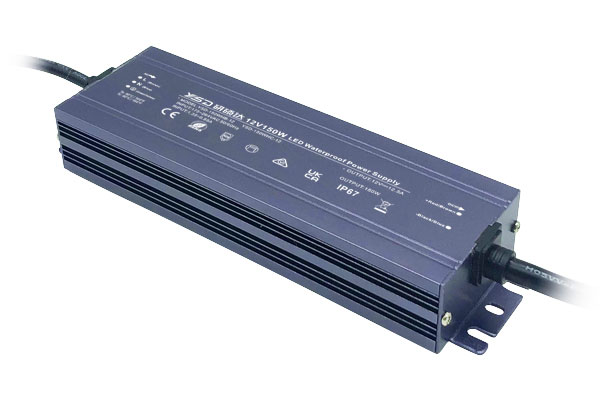
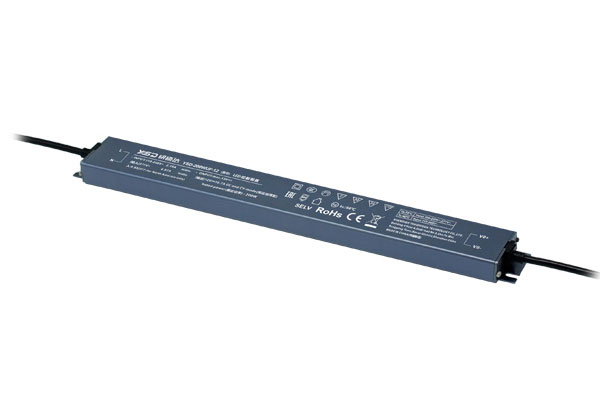
LEDs require a reliable power supply to operate. Drivers for LED lights supply this power, converting alternating current (AC) to direct current (DC). They ensure the power supply is constant and uninterrupted by compensating for changes in the temperature and electrical conductivity of the LEDs. This prevents overheating, flickering, colour changes and degraded performance.
LED drivers for lighting also offer thermal shutdown protection - this will switch off lighting altogether if the temperature climbs too high.
Most LED equipment is low Voltage. LED transformers perform the same function for larger lighting systems that require more power.
Alternative names for LED drivers include:
Do All LED Lights Need a Driver?
Yes, all LED lights do require a bulb driver to operate but it is not always necessary to purchase these separately. Some models are supplied with an integrated driver - in particular, standard LED bulbs designed for use in domestic settings.
Lower voltage LEDs do normally require a separate driver, but this has one advantage. If the driver breaks, it can be replaced without having to replace the bulb too.
What is an LED Driver Used for?
What does an LED driver do? LED drivers have a similar function to transformers for low voltage bulbs. LED lights are primarily low Voltage devices - typically 4v, 12v or 24v - and are designed for a direct current power supply. However, most wall socket power supplies are not directly compatible as these usually run at a much higher Voltage (between 120 and 277V) and supply alternating current. As the average Voltage of an LED is too low for a conventional transformer, specialist LED drivers are used to convert high voltage alternating current to low voltage direct current.
LED drivers have the secondary function of preventing power surges and fluctuations, which can cause high temperatures and affect light output. LEDs are designed for use within a strict predetermined amp range.
Some LED drivers can also be used to control and sequence the brightness of the LED systems attached and the colours which are displayed. This is done by selectively switchi
How Do LED Drivers Work?
How does an LED driver work? Simply put, the forward Voltage requirements of an LED will vary as its temperature changes. As it becomes hotter the amount of Voltage needed to pull current into the LED will drop and it will therefore draw in more power. Left unchecked, the temperature would continue to climb, and the LED would burn out - a process known as thermal runaway. LED drivers feature power output levels that match LED requirements. The steady current supplied by the driver prevents thermal runaway by responding to changes in the forward Voltage.